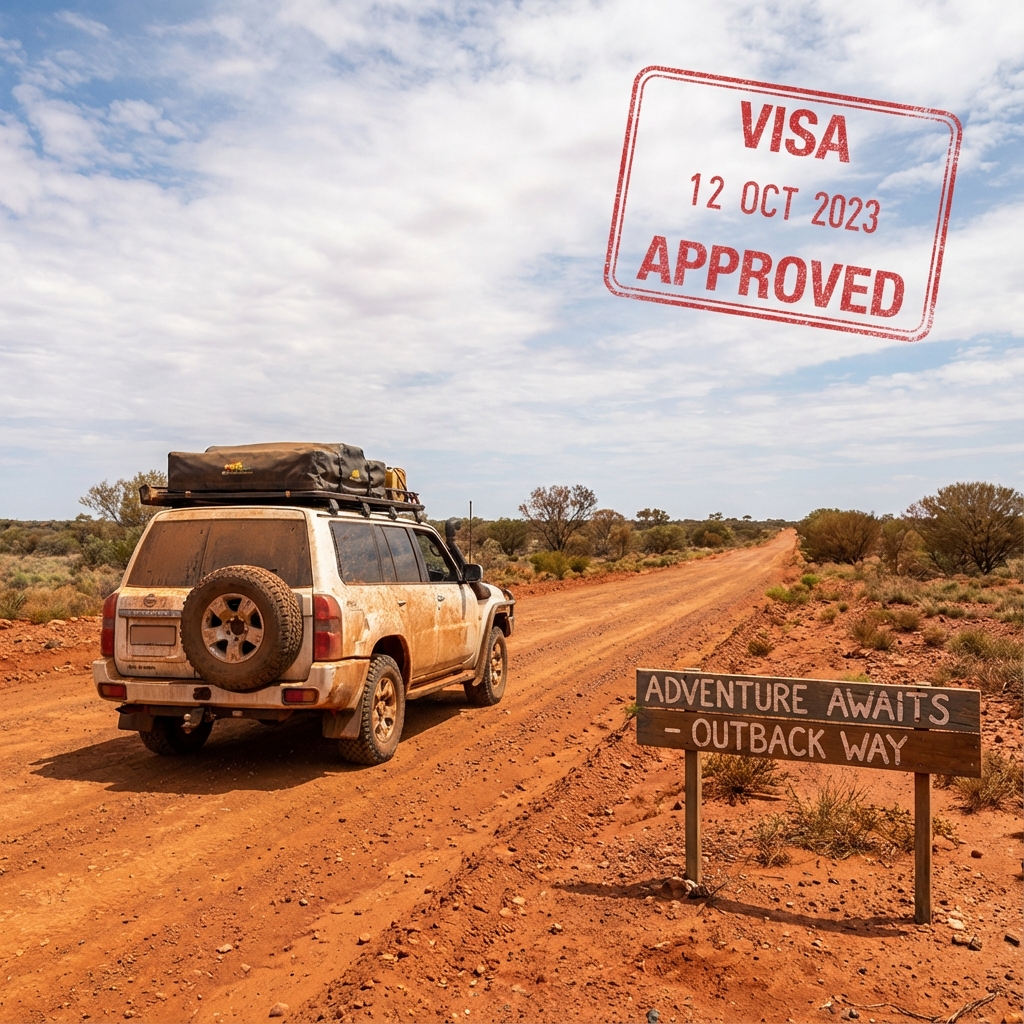
DAMA Migration: Lower English Requirements for Regional Australia
English not your strong suit? Over 45? DAMA might be your best path to Australia.
What is DAMA?
DAMA stands for Designated Area Migration Agreement — a special migration pathway designed to fill labor gaps in regional Australia.
In plain terms: If your English isn't good enough for regular skilled migration, or you're older than 45, DAMA lets employers in remote areas sponsor you with more relaxed requirements.
Why Consider DAMA?
Lower English Requirements
| Standard Skilled Visa | DAMA Visa |
|---|---|
| IELTS 6.0 overall (min 5.0 each) | IELTS 4.5-5.0 overall (min 4.0 each) |
| Strict enforcement | Occupation-specific concessions |
Real example: Northern Territory DAMA accepts IELTS 4.5 for semi-skilled roles. Townsville offers English concessions for 37 specific occupations.
Extended Age Limits
- Standard visa cutoff: 45 years
- DAMA visa: 50-55 years
If you have years of experience but missed the age cutoff, DAMA opens a new door.
Lower Salary Thresholds
Standard visas require at least $76,515/year. DAMA allows employers to pay 90% of this amount (~$68,860), as long as it matches local market rates.
13 DAMA Regions Across Australia
| State/Territory | DAMA Region | Key Industries |
|---|---|---|
| Northern Territory | Entire NT | Hospitality, Agriculture, Healthcare (325 occupations) |
| Western Australia | Pilbara, Goldfields, South West, East Kimberley | Mining, Construction, Hospitality |
| Queensland | Far North QLD, Townsville | Tourism, Agriculture (226 occupations) |
| South Australia | Adelaide Tech Zone, SA Regional | Defence, Space, Manufacturing |
| Victoria | Goulburn Valley, Great South Coast | Agriculture, Food Processing |
| New South Wales | Orana (incl. Central West, Murray) | Agriculture, Healthcare, Hospitality |
Which Jobs Qualify?
DAMA covers a wide range — from skilled to semi-skilled:
Skilled Trades:
- Chefs, Pastry Cooks
- Electricians, Plumbers, Carpenters
- Registered Nurses, Aged Care Workers
- Mechanics, Welders
Semi-Skilled Roles:
- Waiters, Baristas
- Kitchenhands
- Hotel Housekeepers
- Farm Workers, Fruit Pickers
- Truck Drivers, Forklift Operators
DAMA-Only Occupations:
- Ethnic Cuisine Cook
- Rope Access Technician
- High Access Cleaning Technician
How to Apply
Step 1: Find an Employer
You need a job offer from a DAMA employer. They must have an approved Labour Agreement with the Australian government.
Step 2: Employer Nominates You
Your employer submits a nomination, proving they couldn't find a local Australian for the role.
Step 3: Lodge Your Visa
Once nominated, you can apply for one of these visas:
- Subclass 482: 4-year work visa
- Subclass 494: 5-year regional visa, leads to PR
- Subclass 186: Direct permanent residence
Step 4: Permanent Residency
After 2-3 years working in the region, you can apply for permanent residency.
Is DAMA Right for You?
✅ Your English is around IELTS 4.5-5.0
✅ You're between 45-55 years old
✅ You're willing to live and work in regional Australia
✅ You have experience in trades or service industries
✅ You want a pathway to permanent residency
Common Questions
Q: What's life like in DAMA regions?
A: Lower living costs than big cities. Stable employment. Great natural scenery. Trade-off: fewer shopping and entertainment options.
Q: Do I have to stay in the region forever?
A: Only while on the visa. Once you get PR, you can live anywhere in Australia.
Q: Can my family come too?
A: Yes. Your spouse and children can join as secondary applicants. Your spouse gets full work rights.
Q: Which region is easiest to apply through?
A: Northern Territory has the most occupations (325). Townsville offers generous English concessions.
Official Sources
This information is compiled from the Australian Department of Home Affairs:
Next Steps
Want to know if you qualify for DAMA? AUSVJ can help:
- Check if your occupation is on a DAMA list
- Connect you with regional employers
- Prepare your complete visa application
- Plan your pathway from work visa to PR
Contact us for a free assessment →
Last updated: January 2026
Source: Australian Department of Home Affairs